2026 Data Breach Investigations Report
Review current breach patterns, threat actors, attack methods, and lessons organizations can use to strengthen security.
Download PDFUtah Tech Experts connects cybersecurity and IT concepts with the decisions people make at work.
Start with a framework, watch a short explainer, or work through a risk scenario. Each resource gives you a place to start and a reason to use it.
I add resources as I teach cybersecurity and work through my Ph.D. If you need hands-on help for your small business, you can also reach out about a specific project.
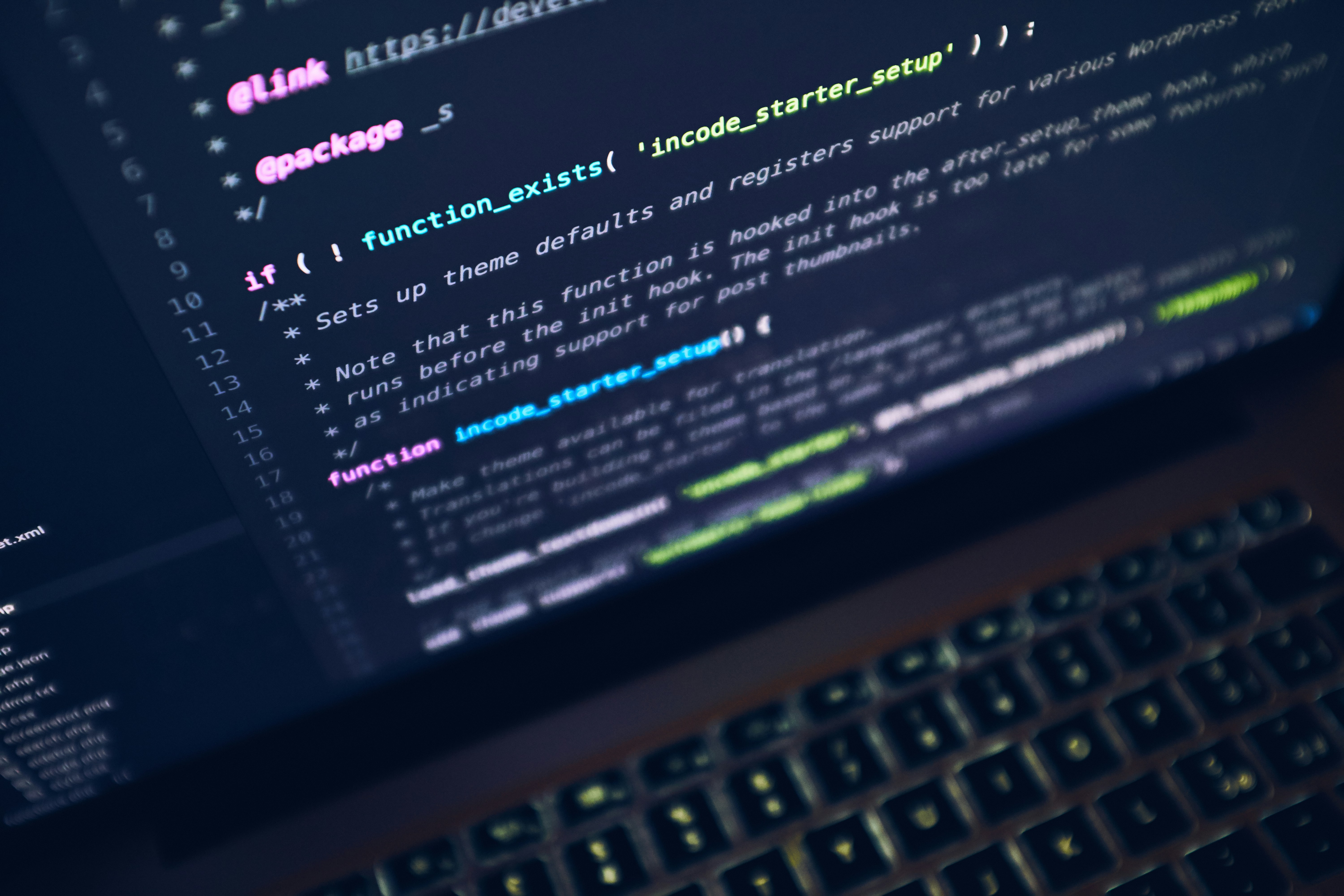
This website is one example of what can be created for a business or organization.
If you need help creating, improving, or managing a website, I can help build something that is visually appealing, easy to use, and designed with performance and security in mind.
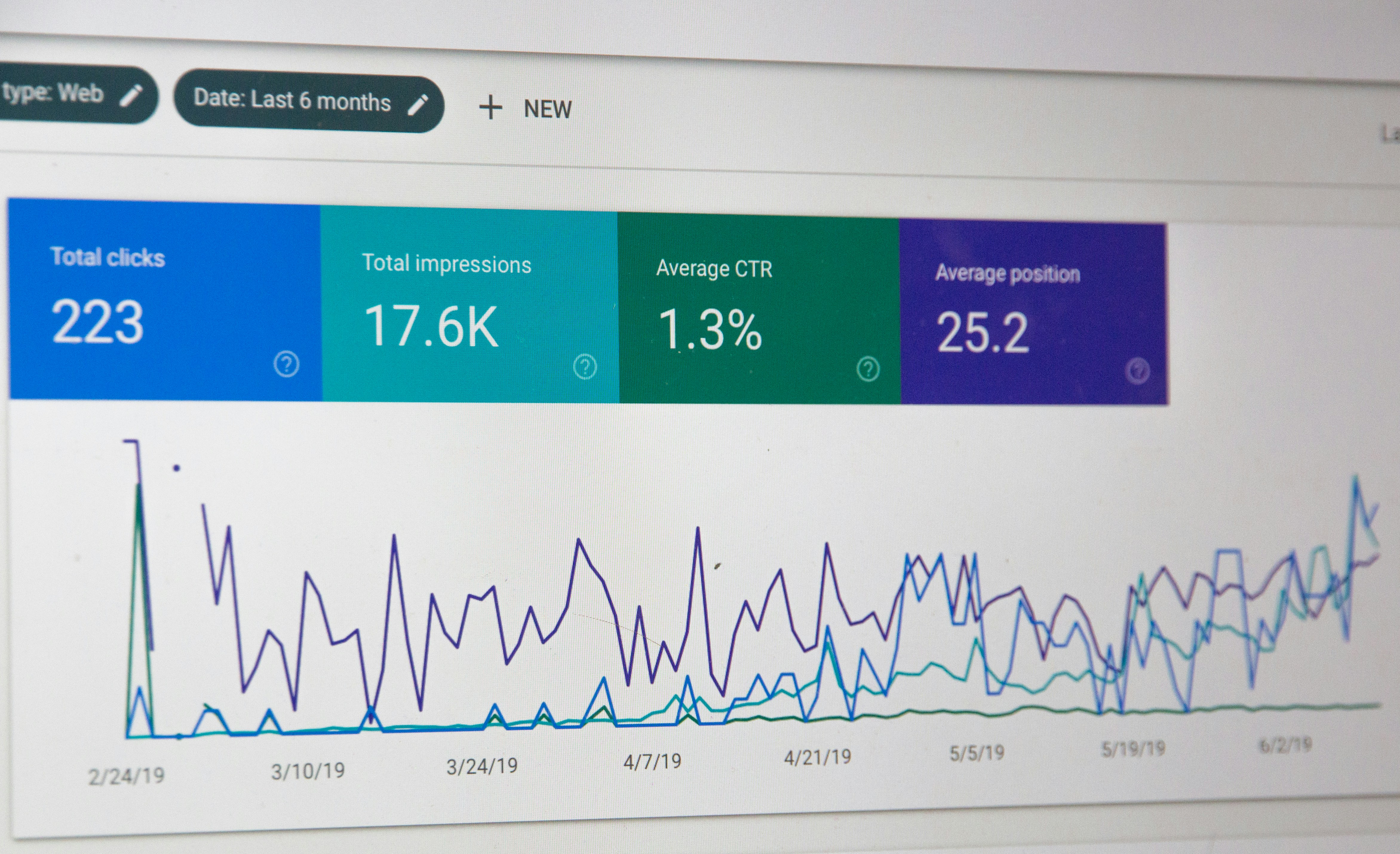
Help visitors find what they need and understand what your business offers.
Depending on the project, I can help organize website content, review basic analytics, and plan improvements to your online presence.
Have a specific project in mind? Let’s talk about what you need and what we can get done.
Troubleshoot a specific issue, plan a rollout, or document a process your team can use.
Review your network setup and plan practical improvements for Wi-Fi, connectivity, and access.
Build or refresh a site that explains what you offer and is easy to use and maintain.
Set up a practical routine for updates, backups, and basic system checks.
Improve website messaging and plan how to share it through the channels you already use.
Review access, backup, and device security practices and prioritize next steps.
Explore reports covering data breaches, cybersecurity careers, security controls, and current threats. These resources are useful for students, technology professionals, business leaders, and anyone interested in better understanding cybersecurity.
Review current breach patterns, threat actors, attack methods, and lessons organizations can use to strengthen security.
Download PDFExplore how data breaches affect organizations and connect real-world incidents to the security concepts discussed in class.
Download PDFLearn how cybersecurity roles, skills, hiring needs, and workforce expectations are changing.
Download PDFUse the CIS Controls as a practical guide for prioritizing safeguards that reduce common cybersecurity risks.
Download PDFA curated collection of videos exploring artificial intelligence, AI security, agentic systems, and the opportunities and risks shaping the future of technology.
Learn how security should be considered when organizations build and use AI-powered products and business models.
Andrew Ng explains the development of AI agents and why agentic workflows represent an important change in how AI systems operate.
Explore how hidden backdoors can affect reinforcement-learning agents and what this means for trustworthy and secure AI.
A discussion about how advances in AI may change work, technology, organizations, and society during the next decade.
Computer scientist Yejin Choi examines the impressive abilities of modern AI while explaining its limitations in commonsense reasoning, human values, and understanding.
Trusted sources · Current awareness
Threats evolve. Knowledge should too. Use these trusted resources to follow emerging vulnerabilities, active attacks, data breaches, defensive guidance, and changes across the cybersecurity industry.
Cybersecurity news, threat analysis, breach coverage, AI security information, webinars, and industry research.
Official alerts about active cyber threats, known vulnerabilities, security incidents, and recommended defensive actions.
In-depth reporting and investigations covering cybercrime, data breaches, online fraud, and emerging security threats.
Explore trusted frameworks, technical research, case studies, and expert discussions about building and using artificial intelligence responsibly and securely.
Frameworks and reports for identifying AI risks, measuring readiness, and making responsible decisions.
Practical resources for protecting AI applications, generated code, data, models, and software supply chains.
Foundational papers and reference collections for understanding transformers, AI safety, and model evaluation.
Real examples showing how AI products, infrastructure, and supply chains can fail or be compromised.
Long-form videos covering AI history, scientific breakthroughs, AGI, safety concerns, and practical LLM security.
Google DeepMind’s award-winning documentary.
Follow DeepMind’s pursuit of AGI and scientific discovery.
A Y Combinator discussion about what comes next.
A discussion about advanced models and uncertainty.
NVIDIA lessons from a year in the trenches.
A Microsoft Black Hat session on AI red teaming.
A field guide for assessing risk, documenting controls, and preparing for disruptions. Each resource includes a practical way to use it.
Separate the risk decision from the technical finding.
Make requirements actionable and show how they are met.
Identify which obligations apply before deciding how to demonstrate compliance.
Plan for disruption and practice making decisions under pressure.
HealthIT.gov’s tool helps small and midsize healthcare practices and their business associates assess and document risks to electronic protected health information. Use it to identify gaps, then assign owners and track fixes. Completing the tool does not establish HIPAA compliance.
Open the HealthIT.gov SRA ToolCompare who is covered, what rights people have, and what organizations must do. Use these videos as introductions and check official sources before applying a law.

Start with Canada’s federal private-sector privacy law. As you watch, consider which organizations and activities it covers.
Watch on YouTube
Use this introduction to orient yourself to India’s digital privacy framework. Note the roles of individuals and organizations handling their data.
Watch on YouTube
Start here for context on China’s privacy laws, including the Personal Information Protection Law (PIPL). Compare its approach with the other jurisdictions.
Watch on YouTubeIn a simulated healthcare outage, I used NIST SP 800-30 to assess the risk of recurring power failures to a patient database. I framed the decision around patient care, recovery priorities, and accountability.
Further reading: Managing Risk in Information Systems, 3rd ed. by Darril Gibson and Andy Igonor.